_edited.png)
How Big Data Impacts Real Estate
- Nicole Ritchot

- Jun 17
- 2 min read
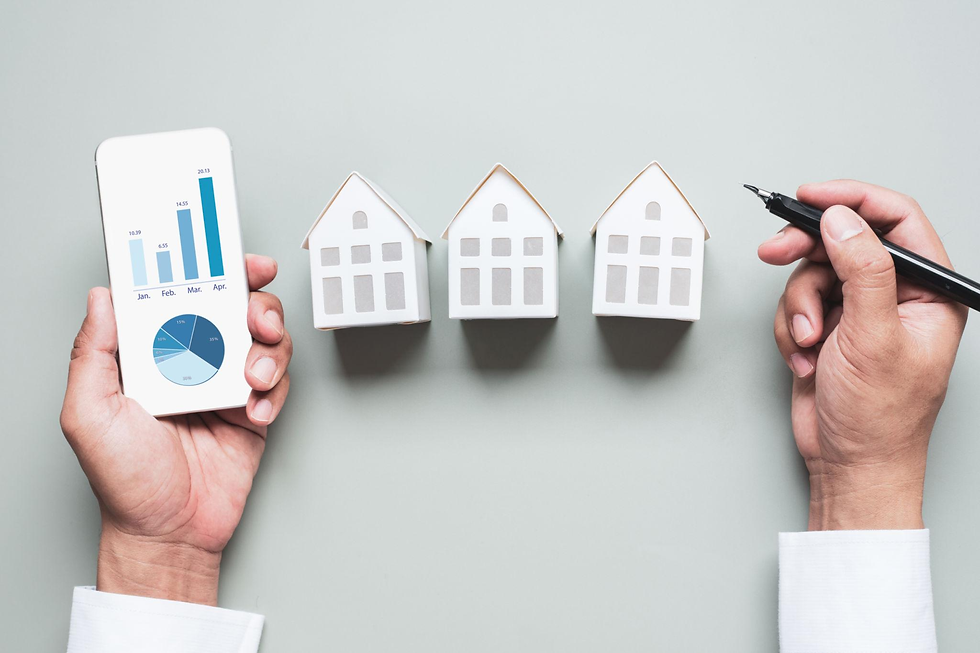
Big data is transforming the real estate industry by helping buyers, sellers, agents, investors, and developers make smarter decisions using large amounts of information gathered from multiple sources. Instead of relying solely on experience or intuition, professionals can now use data-driven insights to better understand market trends and consumer behavior.
What Is Big Data in Real Estate?
Big data refers to massive collections of information that are analyzed to identify patterns, trends, and opportunities.
Common data sources include:
Property sales records
Market trends
Demographic information
Economic indicators
Consumer behavior
Traffic patterns
School performance data
Rental market statistics
More Accurate Property Valuations
Big data helps estimate property values by analyzing factors such as:
Comparable home sales
Neighborhood growth
Market demand
Property characteristics
Historical pricing trends
This allows buyers and sellers to make more informed pricing decisions.
Improved Market Forecasting
Real estate professionals can identify emerging trends before they become obvious.
Examples include:
Growing neighborhoods
Future development areas
Shifts in buyer demand
Rental market opportunities
Smarter Investment Decisions
Investors use data to evaluate potential risks and returns before purchasing properties.
Important metrics include:
Rental yields
Occupancy rates
Population growth
Employment trends
Infrastructure projects
Personalized Home Searches
Online platforms use data to recommend properties that match buyers' preferences, including:
Budget
Location
Home size
Lifestyle preferences
Search history
Better Marketing Strategies
Agents and brokerages can create more targeted marketing campaigns by understanding consumer behavior and audience interests.
Data can help identify:
Ideal buyer demographics
Preferred communication channels
Popular property features
Seasonal buying trends
Urban Planning and Community Development
Cities and developers use data to improve long-term planning decisions.
Areas impacted include:
Transportation systems
Housing development
Public services
Infrastructure investments
Challenges to Consider
As the use of data increases, organizations must address:
Data privacy concerns
Cybersecurity risks
Data accuracy
Ethical use of information
Big data is reshaping real estate by turning information into actionable insights, helping create a more efficient, transparent, and data-driven housing market.



Comments