_edited.png)
What to Expect During Escrow in the Home Buying Process

Escrow starts after a seller accepts an offer. It ends when the sale closes and the buyer becomes the owner.
This stage can feel slow. A lot happens behind the scenes. Money is held. Documents are reviewed. The home gets inspected. The lender checks the file. The title company checks ownership. Each step protects the buyer, seller, and lender.
This article is for general information only. Real estate laws and contract terms vary by state.

Escrow begins after the offer is accepted
Once both sides sign the purchase agreement, the home usually goes into escrow. A neutral third party holds funds and documents until all contract terms are met.
That third party may be an escrow company, title company, closing attorney, or settlement agent. The name changes by state. The job is similar.
During the first few days, the buyer usually sends the earnest money deposit. This shows good faith. The deposit is applied toward the purchase at closing if the deal moves forward.
The escrow holder will also open the file and collect key details, including:
The signed contract
Buyer and seller contact information
Lender information
Commission instructions
Title and payoff details
Deadlines from the contract
Escrow does not mean the deal is done. It means both sides are working toward closing.
Inspections and disclosures come next
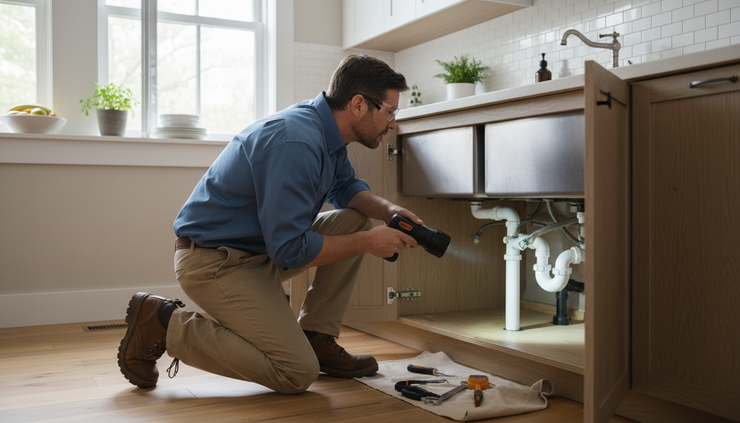
The inspection period is one of the most important parts of escrow. The buyer has a set amount of time to inspect the home and review seller disclosures.
A general home inspection checks major systems and visible conditions. This often includes the roof, foundation, plumbing, electrical, heating, cooling, appliances, attic, and crawl space if accessible.
Other inspections may be needed, such as:
Pest or termite inspection
Sewer scope
Radon test
Well or septic inspection
Roof inspection
Pool inspection
If the inspection finds problems, the buyer may ask for repairs, a credit, or a price change. The seller can agree, reject the request, or offer different terms.
The contract controls what happens next. If the buyer has an inspection contingency, they may have options if the home has serious issues. If that deadline passes, those options may become limited.
The lender and title company do their work
If the buyer is using a mortgage, the lender will keep working during escrow. The lender reviews credit, income, assets, debt, and the property.
The lender may ask for updated documents. Fast replies help avoid delays. Common requests include recent pay stubs, bank statements, tax documents, proof of insurance, or letters explaining deposits.
The lender also orders an appraisal. The appraisal gives the lender an opinion of the home’s value. If the appraisal comes in at or above the purchase price, the loan can move forward. If it comes in low, the buyer and seller may need to renegotiate, or the buyer may need to bring more cash.
At the same time, the title company checks the property’s ownership history. The goal is to confirm the seller can transfer clear title.
Title work may uncover:
Unpaid liens
Old mortgages that need release
Boundary or easement issues
Errors in public records
Unpaid property taxes
Judgments tied to the seller
Most title issues can be fixed before closing. Some take time. That is why title work starts early.
Escrow task | Who usually handles it | Why it matters |
Earnest money deposit | Buyer and escrow holder | Shows good faith and secures the contract terms |
Home inspection | Buyer and inspector | Helps the buyer understand the home’s condition |
Appraisal | Lender and appraiser | Confirms value for the loan |
Title search | Title company or attorney | Checks ownership and liens |
Final loan approval | Lender | Confirms the buyer can close |
Contingencies protect both sides
A contingency is a condition that must be met for the sale to move forward. Common contingencies include inspection, appraisal, loan approval, title review, and sale of another home.
Each contingency has a deadline. Missing a deadline can have real consequences.
A buyer should know:
What each contingency covers
When each deadline expires
What notice must be given
What happens to the earnest money if the deal falls apart
A seller should know:
When the buyer must remove contingencies
What repairs or credits have been agreed to
Whether the buyer’s loan is moving forward
What could delay closing
Good communication matters here. Many escrow problems come from slow replies, missing documents, or unclear expectations.

The final days before closing are busy
The last part of escrow moves fast. The lender issues final approval. The buyer receives the Closing Disclosure. This document lists loan terms, closing costs, and the final cash needed to close.
For most financed purchases, buyers must receive the Closing Disclosure before signing final loan documents. Review it closely. Ask questions if something does not match expectations.
The buyer also schedules homeowners insurance. Lenders require proof of insurance before closing. The policy should start on the closing date.
Near the end, the buyer does a final walkthrough. This is not a full inspection. It confirms the home is in the expected condition, agreed repairs are complete, and the seller has moved out or is ready to move out based on the contract.
At closing, the buyer signs documents and sends final funds. The seller signs transfer documents. The escrow holder or closing agent records the deed with the county.
Once recording is complete, the buyer gets the keys.
Common reasons escrow gets delayed
Delays happen. Some are minor. Others can push closing back by days or weeks.
Common causes include:
Slow document responses
Appraisal delays
Low appraisal value
Repair negotiations
Title issues
Loan underwriting questions
Missing insurance proof
Final walkthrough problems
Wire transfer timing
The best fix is simple. Respond fast. Keep all documents organized. Do not make major financial changes during escrow without asking the lender first. That includes opening new credit, changing jobs, or making large purchases.
FAQ
How long does escrow usually take?
Many escrow periods last 30 to 45 days when a buyer uses financing. Cash purchases can close faster. The exact timeline depends on the contract, lender, title work, and local process.
Can a buyer back out during escrow?
Yes, but the result depends on the contract and timing. If a valid contingency applies, the buyer may be able to cancel and keep the earnest money. If not, the deposit could be at risk.
Who holds the earnest money?
A neutral third party usually holds it. This may be an escrow company, title company, attorney, or brokerage trust account, depending on state rules and the purchase contract.
What should buyers avoid during escrow?
Avoid large purchases, new credit accounts, job changes, and unexplained money transfers. These can affect loan approval. Ask the lender before making financial changes.
When do buyers get the keys?
Buyers usually get the keys after the deed records and the transaction officially closes. The timing can vary by state and by contract.

The takeaway
Escrow is the bridge between an accepted offer and a closed sale. Expect paperwork, deadlines, inspections, lender reviews, title checks, and final signing.
Stay organized. Read every deadline. Ask questions early. Keep money and loan documents ready.
If you want help through each step of the home buying process, contact Nicole Ritcho Realtor before you start writing offers.


Comments