_edited.png)
How Long Does Buying a Home Usually Take

Buying a home rarely happens in a weekend. For most buyers, the process takes about two to six months from the first serious search to closing, and the biggest variable is how long it takes to find the right home.
Once a seller accepts an offer, the closing period is more predictable. A financed purchase often closes in 30 to 45 days, while a cash purchase can sometimes close faster if title, inspections, and paperwork are clean.
That timeline can stretch if inventory is tight, financing gets delayed, the appraisal comes in low, or repairs become a sticking point.

The full homebuying timeline usually takes two to six months
A realistic timeline starts before the offer. Many buyers spend weeks getting ready, checking budgets, comparing neighborhoods, and touring homes.
Here is a common breakdown:
Stage | Typical time frame | What happens |
Budgeting and preapproval | A few days to 2 weeks | Review credit, income, debt, savings, and loan options |
Home search | 1 to 3 months or longer | Tour homes, compare prices, watch new listings, make offers |
Offer and negotiation | 1 to 7 days | Agree on price, contingencies, closing date, and terms |
Contract to closing | 30 to 45 days | Inspection, appraisal, title work, underwriting, final walkthrough |
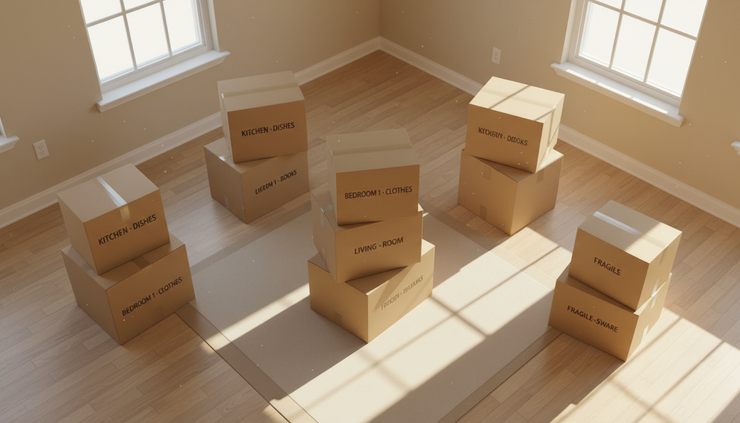
Moving in | A few days to several weeks | Schedule movers, utilities, repairs, and address changes |
The National Association of Realtors regularly reports that buyers spend a meaningful amount of time searching before they purchase. Exact timing changes by market, but the pattern is consistent: finding the home often takes longer than closing on it.
Getting preapproved can save time later
Preapproval is one of the first steps because it shows what a lender may be willing to lend based on income, debts, credit, and assets. It is not a final loan approval, but it gives the search a clear price range.
This stage can be quick if documents are ready. Lenders often ask for:
Recent pay stubs
W-2s or tax returns
Bank statements
Identification
Permission to check credit
Information about debts and assets
A buyer with steady income and organized records may get preapproved in a few days. A self-employed buyer, or someone with recent credit changes, may need more time because the lender has more to verify.
The Consumer Financial Protection Bureau also notes that lenders must provide a Loan Estimate within three business days after receiving a loan application. That document helps compare loan terms, closing costs, and estimated monthly payments.

The home search is the least predictable part
The answer to how long does buying a home usually take depends heavily on the search.
In a market with many homes for sale, buyers may find a good match within a few weeks. In a market with limited inventory, it can take months. Price range also matters. Entry-level homes often attract more competition because more buyers can afford them.
Search time also depends on how flexible the buyer is. A long must-have list can slow things down, especially if it includes:
A narrow school zone or commute area
A specific home style
A large lot
Newer construction
A finished basement
No renovation needs
A strict price ceiling
For example, a buyer looking anywhere within a large metro area may find options quickly. A buyer who wants a four-bedroom home on one street, under a set price, may wait much longer.
After the offer, most delays come from inspections, appraisals, and lending
Once the seller accepts an offer, the file moves into the contract period. This is when deadlines matter.
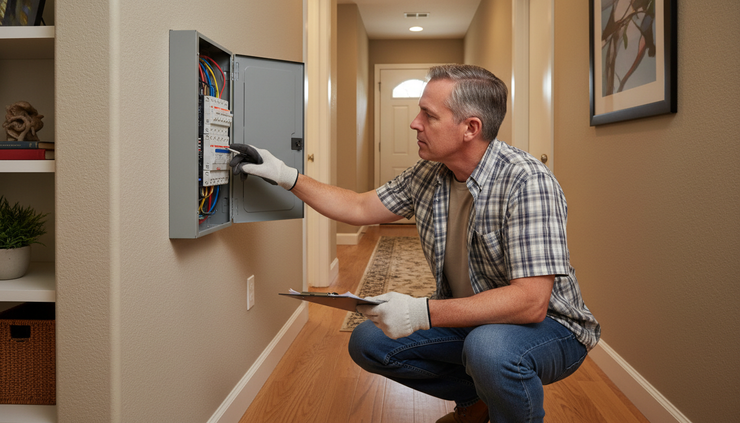
The inspection is usually scheduled early. A home inspector checks major visible systems, such as the roof, electrical, plumbing, heating, cooling, foundation, and appliances. If the inspection finds major issues, the buyer and seller may negotiate repairs, credits, or a price change.
The appraisal is separate. If the buyer uses a mortgage, the lender usually orders an appraisal to support the loan amount. If the appraised value is lower than the purchase price, the deal may need new terms.
The lender also completes underwriting. Underwriting verifies income, assets, credit, the property, and the loan file. Delays can happen if the lender needs updated documents, explanations for large deposits, or corrections in paperwork.
Before closing, federal rules require most mortgage borrowers to receive a Closing Disclosure at least three business days before signing final loan documents. That waiting period is built into the schedule.
Cash purchases and competitive markets can change the timing
A cash purchase can close faster because there is no mortgage underwriting or lender appraisal requirement. Title work, insurance, inspections, and closing documents still take time, though. A clean cash deal might close in a couple of weeks, but “fast” does not mean risk-free.
Competitive markets can also extend the timeline before contract. Buyers may write more than one offer before one is accepted. That does not mean they are doing anything wrong. It often reflects supply, pricing, and seller expectations.
Common reasons the timeline gets longer include:
Low housing inventory
Multiple-offer situations
Credit or documentation issues
Repair negotiations
Low appraisal
Title problems
Delayed HOA documents
Buyer or seller moving schedule conflicts
The best way to reduce delays is to prepare early, answer lender requests quickly, and understand contract deadlines before signing.
FAQ
Can buying a house take less than 30 days?
Yes, but it is more common with cash purchases or very simple transactions. A mortgage purchase can close in under 30 days in some cases, but appraisal, underwriting, title work, and required disclosures must all stay on schedule.
What takes the longest when buying a home?
The home search is often the longest part. After an accepted offer, financing and appraisal issues are common sources of delay.
Does preapproval mean the loan is guaranteed?
No. Preapproval is not final approval. The lender still needs to review the property, updated financial documents, appraisal, title details, and underwriting conditions.
When should buyers start talking to a real estate agent?
Early in the planning stage is useful, even before touring homes. An agent can explain local timelines, offer terms, price patterns, and what to prepare before writing an offer.
How long after closing can someone move in?
Often the buyer receives keys on closing day, once funds are recorded and the transaction is complete. In some contracts, the seller keeps possession for a short time after closing, so the move-in date should be confirmed in writing.
The practical takeaway
Plan on two to six months for the full buying process, with 30 to 45 days as a common contract-to-closing window when financing is involved. Some purchases move faster, and some take longer, but most delays come from the search, loan approval, appraisal, inspection, or title work.
For a clearer estimate based on your situation and market, contact Nicole Ritchot Realtor before you start touring homes. Early guidance can make the timeline easier to manage and help you avoid preventable delays.


Comments