_edited.png)
Why Homes in Certain Neighborhoods Hold Value Better
- Nicole Ritchot

- Jan 29
- 2 min read

Not all homes appreciate the same way.Two houses can be similar in size, condition, and price, yet perform very differently over time.
The difference is almost always the neighborhood.
Here is why some neighborhoods consistently protect and grow home values better than others.
Strong, Consistent Buyer Demand
Value follows demand.
Neighborhoods that hold value well tend to have:
Good schools
Convenient commutes
Access to parks, shops, and amenities
A strong sense of community
When demand stays steady across market cycles, prices are more resilient.
Limited Supply Protects Prices
Some neighborhoods simply cannot be easily replicated.
This includes areas with:
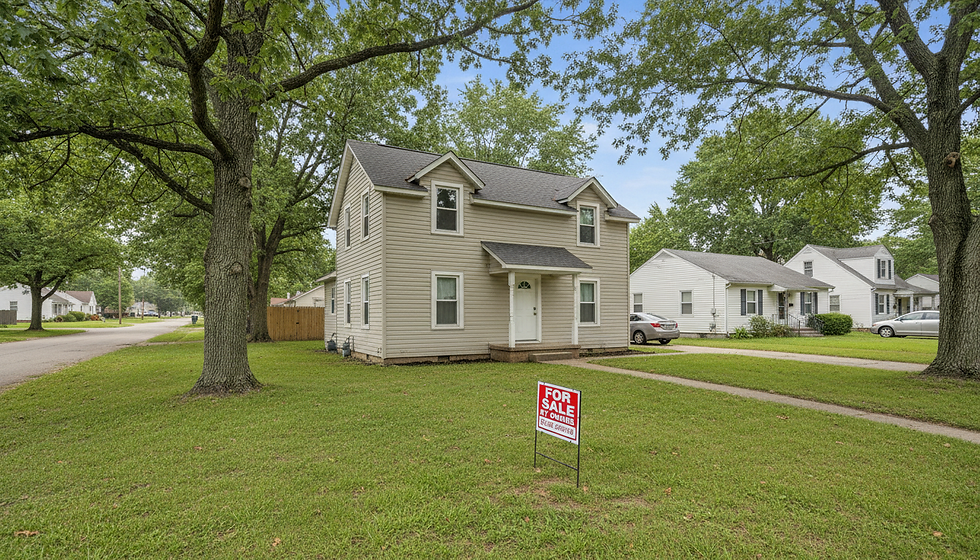
Established homes and mature trees
Zoning restrictions
Natural boundaries like coastlines, hills, or parks
Limited supply combined with ongoing demand creates long-term pricing strength.
Walkability and Lifestyle Appeal
Neighborhoods that support daily life outperform those that do not.
Homes near:
Restaurants and cafes
Grocery stores
Trails and public spaces
Attract broader buyer pools and sell faster, even when the market slows.
Quality of Upkeep and Pride of Ownership
Well-kept neighborhoods age better.
Buyers notice:
Consistent exterior maintenance
Clean streets and sidewalks
Updated homes that fit the area
Pride of ownership signals stability and reduces buyer hesitation.
School District Stability
School quality remains one of the strongest drivers of long-term value.
Even buyers without children often pay attention to school districts because:
They affect resale demand
They influence neighborhood stability
They anchor pricing during downturns
Strong school zones tend to recover faster after market shifts.
Balanced Development
Neighborhoods that hold value often strike a balance between growth and preservation.
They benefit from:
Thoughtful development
Infrastructure improvements
New amenities without overbuilding
Overdevelopment can dilute value, while smart growth strengthens it.
Buyer Psychology in Down Markets
When markets cool, buyers become selective.
They prioritize:
Location certainty
Daily convenience
Long-term confidence
Homes in strong neighborhoods are often the last to see price drops and the first to recover.
What Buyers Should Take Away
Buying in a strong neighborhood:
Protects downside risk
Improves resale flexibility
Supports long-term appreciation
You can update a house. You cannot fix a weak location.
What Sellers Should Emphasize
If your home is in a strong neighborhood:
Lead with lifestyle and location benefits
Highlight nearby amenities and schools
Price confidently but accurately
Neighborhood strength is a major value driver. Make sure buyers see it immediately.
Bottom Line
Homes hold value better when the neighborhood supports demand, convenience, and long-term confidence.
That is why location remains the foundation of real estate value and why some neighborhoods outperform in every market cycle.

Comments