_edited.png)
What Makes a Neighborhood Age Well Over Time
- Nicole Ritchot

- Feb 4
- 2 min read

Some neighborhoods don’t just hold value, they improve with time. While trends come and go, certain areas become more desirable year after year. Here’s what makes a neighborhood age well and why it matters for long-term homeowners and buyers.
1. Strong Location Fundamentals
Neighborhoods near employment centers, schools, healthcare, and daily amenities tend to stay relevant. Convenience never goes out of style, and accessibility supports long-term demand.
2. Limited Overdevelopment
Areas with controlled growth, zoning restrictions, or limited land tend to age better. Scarcity protects value and prevents overcrowding or strain on infrastructure.
3. Walkability and Layout
Neighborhoods designed for walking, with sidewalks, parks, and nearby shops, often become more desirable over time. Walkability supports lifestyle appeal across generations.
4. Mature Trees and Green Space
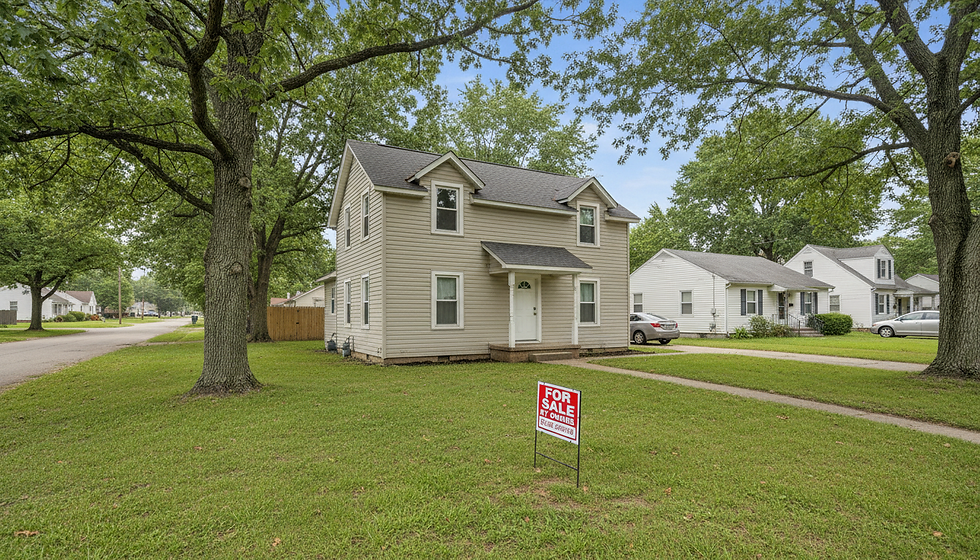
Tree-lined streets, parks, and preserved green areas add character that new developments can’t easily replicate. These features enhance curb appeal and quality of life long term.
5. Pride of Ownership
Well-maintained homes and public spaces signal that residents care. Consistent upkeep across the neighborhood helps values rise together instead of unevenly.
6. Architectural Consistency With Flexibility
Neighborhoods that maintain architectural character while allowing thoughtful updates tend to age gracefully. Timeless design outperforms trend-driven styles.
7. Community Engagement
Areas with active neighborhood groups, events, and local involvement build stronger connections. Community pride helps neighborhoods adapt rather than decline.
8. Infrastructure That Evolves
Neighborhoods that receive ongoing investment in roads, utilities, schools, and public spaces remain attractive as needs change over time.
9. Broad Buyer Appeal
Neighborhoods that attract families, professionals, and downsizers tend to stay resilient. Diverse appeal keeps demand steady across market cycles.
Final Takeaway
A neighborhood that ages well combines location, design, community, and care. Buyers who choose these fundamentals often enjoy better long-term value and a stronger sense of home over time.

Comments